/i.s3.glbimg.com/v1/AUTH_37554604729d4b2f9f3eb9ad8a691345/internal_photos/bs/2026/X/0/DYyAPAQsmTKH43bCE7Gw/bruno-gomes-superintendente-de-securitizacao-da-cvm.jpg)
The Securities and Exchange Commission of Brazil (CVM) is preparing a pilot environment to test the issuance and trading of stocks, debentures, receivables certificates, and fund units through distributed ledger technology (DLT) networks, the technology used to tokenize assets. The initiative is part of a priority announced by CVM Chairman Otto Lobo upon taking office in June: advancing the regulation and oversight of the tokenized-assets market.
The Tokenization Working Group (GTT) has submitted to the CVM board a draft resolution to create the CVM DLT Pilot Program. According to the regulator, the proposal calls for testing virtually the entire lifecycle of a securities transaction on DLT networks, including issuance, offering, distribution, trading, recordkeeping, custody, central depository services, and clearing. The tests may involve stocks, debentures, receivables certificates, investment fund units, and other securities or collective investment contracts.
The goal, according to the CVM, is to assess the technical, operational, and legal feasibility of using the technology in the capital markets, test interoperability between different networks, and identify risks, vulnerabilities, and potential regulatory gaps. The CVM plans to monitor transactions directly on the selected networks, with the possibility of reading records in real time.
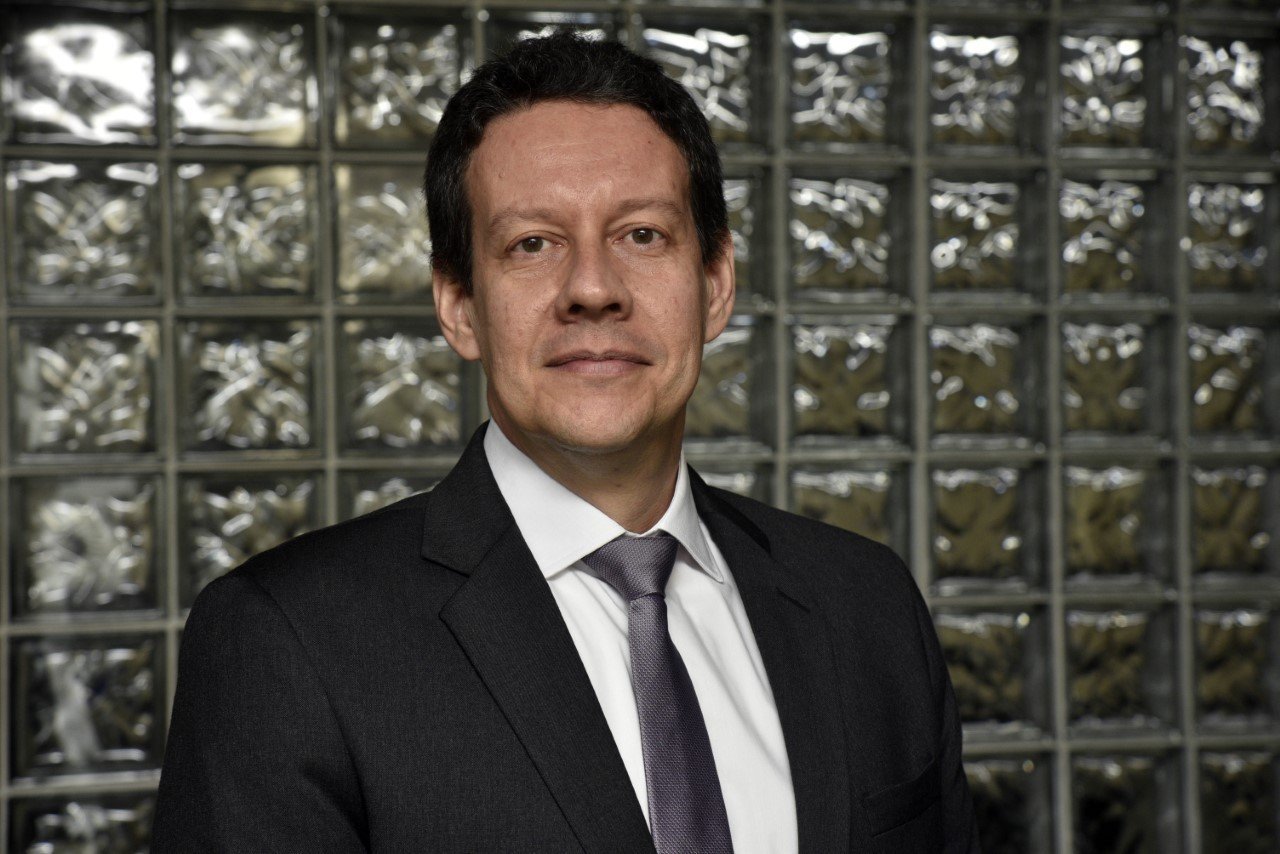
In July, the CVM created the working group to study the impact of DLT networks, assess cybersecurity issues, and lay the groundwork for future regulation. More recently, the regulator discussed the issue in meetings with the New York Stock Exchange (NYSE) and Nasdaq in the United States. “Before drafting the proposal, the Tokenization Working Group sought to listen to various market participants who are auxiliary members of the group, so that it would not steer or limit the tests toward specific technologies, thereby avoiding the risk of curbing future innovation,” said Bruno Gomes, CVM superintendent for securitization and agribusiness.
The tests will run for 60 days, with the possibility of a 30-day extension. The experimental networks may be operated by associations representing participants authorized, registered, or accredited by the CVM, as well as self-regulatory organizations that are part of the working group.
The program will be coordinated by a committee made up of CVM officials who are members of the GTT. At the end of the testing period, participants will be required to submit reports on the tests conducted.
According to the CVM, the material will be consolidated by the group and submitted to the regulator’s board, along with the results obtained, identified risks, and recommendations for potential regulatory or legal changes. Submitting the draft resolution is the first stage of the GTT’s work. The group includes representatives from 14 areas of the CVM.
“We will have two tracks operating simultaneously. Gas-powered cars, which work very well, and electric cars as well,” Lobo said, explaining how the CVM views the adoption of the new infrastructure.
According to the regulator’s chairman, the CVM is “agnostic” toward different technologies and intends to test various models without determining in advance which one should prevail.
Lobo also said regulation related to the project should move quickly. “It’s not going to be a natural birth; it’s going to be a forceps delivery. We’re doing this very quickly,” he said. According to Lobo, the board decided to accelerate its review of regulatory proposals resulting from the group’s work.
The CVM chairman said the initiative comes as market infrastructures are being redesigned in other countries. “This market infrastructure is being rebuilt around the world. Windows like this don’t stay open for very long,” he said.
For Lobo, establishing clear rules will be key for Brazil to compete for business in this emerging market. “Foreign capital doesn’t come because of technology; it comes because of predictability,” he said. “We need to have this regulation and move quickly […] so we don’t lose business to other jurisdictions that are already ahead.”
This article was translated from Valor Econômico using an artificial intelligence tool under the supervision of the Valor International editorial team to ensure accuracy, clarity, and adherence to our editorial standards. Read our Editorial Principles.

