
SEBI, RBI Launch ‘Demat 2.0’ Pilot for Tokenised Corporate Bonds, 3 Issuers Raise ₹1,025 Crore
SEBI, RBI Launch ‘Demat 2.0’ Pilot for Tokenised Corporate Bonds, 3 Issuers Raise ₹1,025 Crore
Moneylife Digital Team 11 September 2026
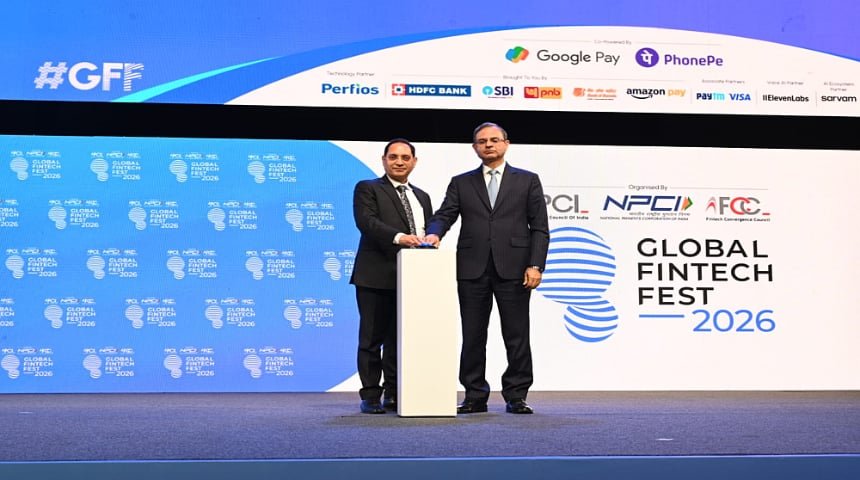
SEBI says the initiative is designed to modernise the issuance, holding, trading and settlement of corporate bonds by using distributed ledger technology (DLT) without altering investors’ legal rights or the existing regulatory framework.
The pilot has already seen three successful issuances worth ₹1,025 crore. REC Ltd became the first issuer on 7 September 2026, raising ₹500 crore from 18 investors. L&T Ltd followed on 9 September with another ₹500 crore issue subscribed by four investors, while IIFL issued ₹25 crore of tokenised bonds to a single investor on the same day.
Unlike conventional demat securities, where settlement and servicing involve multiple intermediaries and separate banking processes, Demat 2.0 creates bonds as digital tokens on a shared ledger maintained by India’s statutory depositories. The platform is linked to RBI’s unified market interface (UMI), enabling atomic settlement, in which both the bond and the payment are transferred simultaneously, eliminating settlement risk.
A key feature of the system is the use of smart contracts to automate post-issuance servicing. Interest payments and redemption proceeds can be credited directly to investors’ CBDC wallets on the due date without requiring issuers or registrars to compile holder lists and process payments separately through banking channels. According to SEBI, this is expected to make bond servicing faster, more accurate and significantly less dependent on manual reconciliation.
The regulator says Demat 2.0 offers several operational benefits. Issuers can receive subscription funds on the same day as bidding instead of waiting two to three days. Automation is expected to reduce issuance and servicing costs, while intermediaries will benefit from lower reconciliation and validation requirements. Investors selling bonds in the secondary market will also receive funds immediately rather than after the current settlement cycle.
SEBI also highlighted the uniqueness of India’s approach. While tokenised bond pilots have been undertaken in jurisdictions such as Switzerland and Hong Kong and by institutions including BlackRock, JPMorgan and the Asian Infrastructure Investment Bank (AIIB), those projects have generally operated on isolated, issuer-specific platforms.
India’s model is the first where corporate bonds are natively issued on a distributed ledger, with ownership records maintained by statutory depositories and the cash leg settled in central bank digital currency within the country’s regulated market infrastructure.
SEBI says the pilot will be implemented in phases. The current stage focuses on primary issuances, while subsequent phases will enable trading of tokenised bonds through existing Request-for-Quote (RFQ) platforms and eventually extend access to retail investors. The regulator says experience from the pilot will determine the scope of any wider rollout.
Importantly, SEBI has clarified that only the technology changes, not the legal protections. Tokenised bonds remain the same instruments under law, issuers’ repayment obligations remain unchanged, and all existing requirements relating to credit ratings, debenture trustees, listing and disclosures continue to apply. These securities will also trade in the same manner as conventional demat bonds, ensuring the market does not become fragmented.
For investors, participation will not require a new demat account or fresh KYC. They will need to enable Demat 2.0 through their depository and maintain a wholesale CBDC (e₹) wallet with a participating bank to settle transactions. SEBI has also issued detailed frequently asked questions (FAQs) explaining the pilot and the participation process.
SEBI’s pilot represents a significant experiment in combining India’s existing securities-market infrastructure with DLT and central bank digital currency. If the initial experience proves successful, the planned expansion into secondary-market trading and, eventually, retail participation could provide a broader test of whether tokenisation can deliver faster settlement and lower operational costs without altering the regulatory safeguards governing corporate bonds.
Adani Ports & SEZ CEO Karan Adani, CFO B Ravi Pay ₹13.65 Lakh Each To Settle SEBI Proceedings in PMC Projects Case
Moneylife Digital Team 10 September 2026
Adani Ports and Special Economic Zone Ltd (APSEZL) chief executive officer (CEO) Karan Adani and chief financial officer (CFO) B Ravi have settled adjudication proceedings initiated by Securities and Exchange Board of India (SEBI) by…
ICICI Lombard General Insurance Fined ₹1 Crore for Lapses in Outsourcing and Vendor Management
Moneylife Digital Team 10 September 2026
The insurance regulatory and development authority of India (IRDAI) has imposed a penalty of ₹1 crore on ICICI Lombard General Insurance Co Ltd for lapses relating to outsourcing, vendor management and corporate governance…
Agri Commodity Position Limits Revised, SEBI Caps Penalty at ₹2 Lakh for Larger Breaches
Moneylife Digital Team 10 September 2026
Market regulator Securities and Exchange Board of India (SEBI) has revised the position limits applicable to clients in the commodity derivatives segment and rationalised the penalty framework for violations of prescribed open…
Jindal Steel & Power’s Two Employees Fined ₹Two Lakh by SEBI for Trading Violations
Moneylife Digital Team 09 September 2026
Market regulator Securities and Exchange Board of India (SEBI) has imposed a total penalty of ₹2 lakh on two designated persons of Jindal Steel & Power Ltd (JSPL) for violating trading-window restrictions and failing to obtain…

